Palmer River Gold Rush
Cape York Peninsula, Queensland (1873–1880s)
Aboriginal and Torres Strait Islander people are advised that this page may contain images and names of people who have died.
Date range
1873 – 1883
Port
Cooktown, founded 1873 to supply the field
Reward
£1,000 to Mulligan
First Gold
William Hann's expedition, August 1872
Payable Gold
James Venture Mulligan's party, June 1873 (~100 oz)
Alluvial Yield
Nearly 1 million oz in about five years
Chinese Miners
Became the majority on the field by 1876
Peak Population
Estimates range from 15,000 to 30,000
Map: Palmer River Gold Rush (-15.98, 144.30)
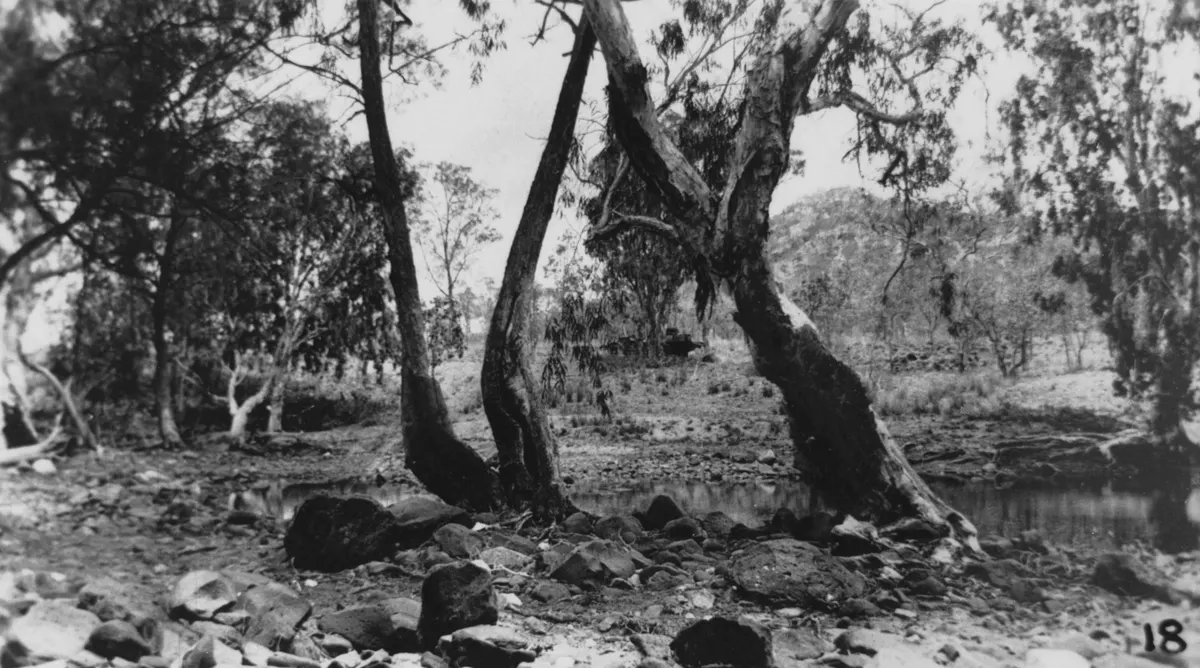
In 1872 a government expedition under William Hann, sent to assess Cape York's resources, found traces of gold on a river Hann named after Queensland's premier, Arthur Palmer. Hann reported the find but stopped short of calling it payable. The following year the experienced prospector James Venture Mulligan led a small party back to the Palmer, worked the river for several weeks and returned in mid-1873 with about 100 ounces. His cautious but encouraging report set off one of the most remote and dangerous rushes in Australian history.
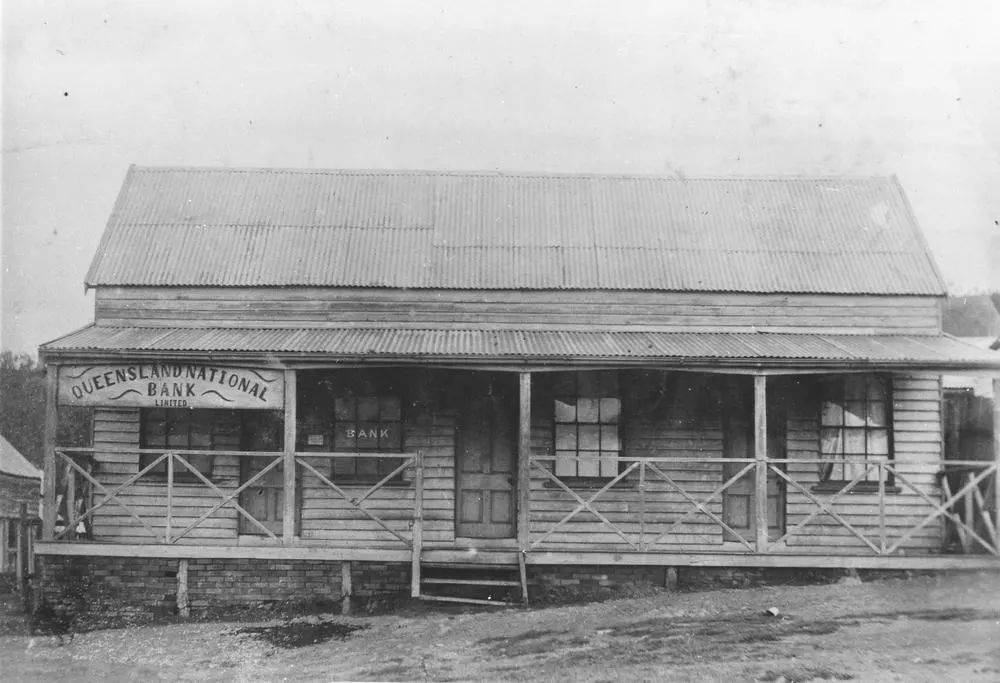
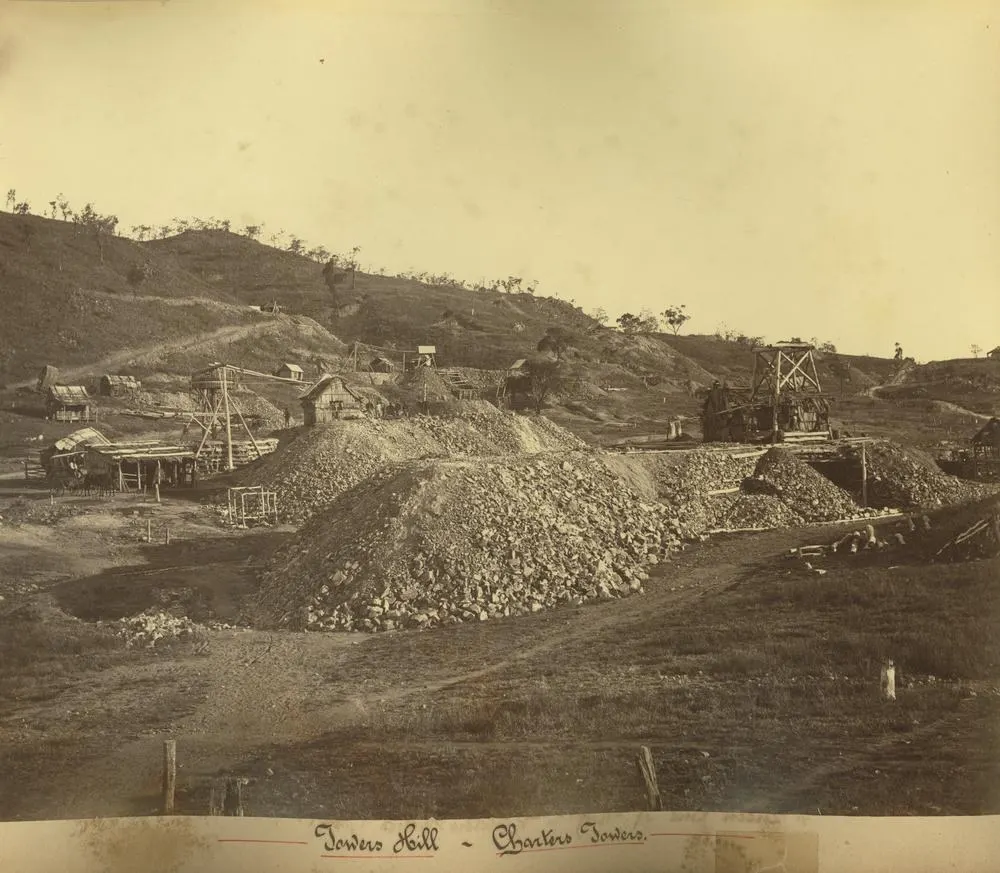
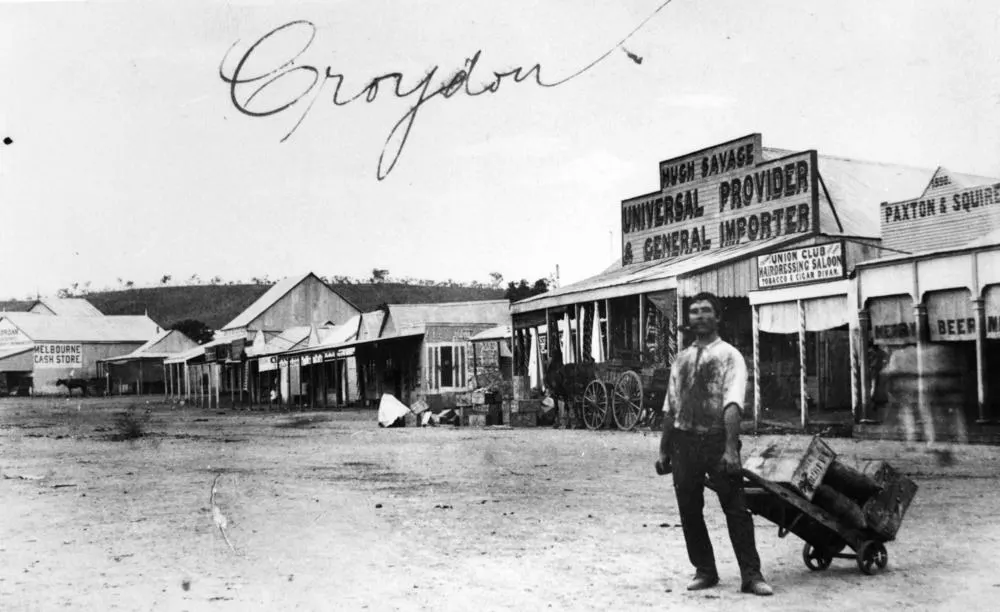
The Palmer lay far beyond any settlement. A port, Cooktown, was hurriedly established on the Endeavour River in late 1873 to land diggers and supplies, and a rough track was cut inland through ranges, scrub and river crossings. The first wave arrived with too little food; by early 1874 thousands were on the field facing starvation, fever and flies. Townships including Palmerville and later Maytown grew along the river. The alluvial gold, however, was extraordinary: the Palmer produced close to a million ounces in about five years.
From late 1873 Chinese miners began to arrive, at first from elsewhere in the Australian colonies and then directly from southern China, landing at Cooktown in large numbers. Many reworked ground abandoned by Europeans who rushed to each new strike. By 1876, as Europeans left for the new Hodgkinson field, Chinese miners made up most of the Palmer's population. The Queensland government responded to European agitation — in which Mulligan himself took part — with extra fees and restrictions aimed at Chinese diggers.
The rush was also fought over. The Palmer and the track to it ran through the country of the Kuku Yalanji, Kuku Warra and neighbouring peoples, who resisted the invasion of their land. Frontier violence on the Cooktown road and around the diggings was severe on both sides, and Aboriginal people suffered heavy losses as the field was occupied. Any honest account of the Palmer needs to include this.
By the late 1870s the easy alluvial gold was exhausted. Reef mining continued at a smaller scale around Maytown, but the field declined steadily; Maytown's last residents left in the mid-20th century. Today the Palmer Goldfield Resources Reserve protects the remains of the townships, Chinese sites and workings.
Timeline
August: William Hann's expedition finds gold traces and names the Palmer River
June: Mulligan's party finds payable alluvial gold
Late 1873: Cooktown founded as the port for the field; rush begins
Thousands on the field face food shortages; first Chinese temple established
Mulligan explores south-east, naming the Hodgkinson River
Mulligan awarded £1,000 for opening the Palmer
Europeans leave for the Hodgkinson rush; Chinese miners become the majority
Alluvial yields in steep decline (approx.)
Last residents leave Maytown (approx.)
Notable Figures
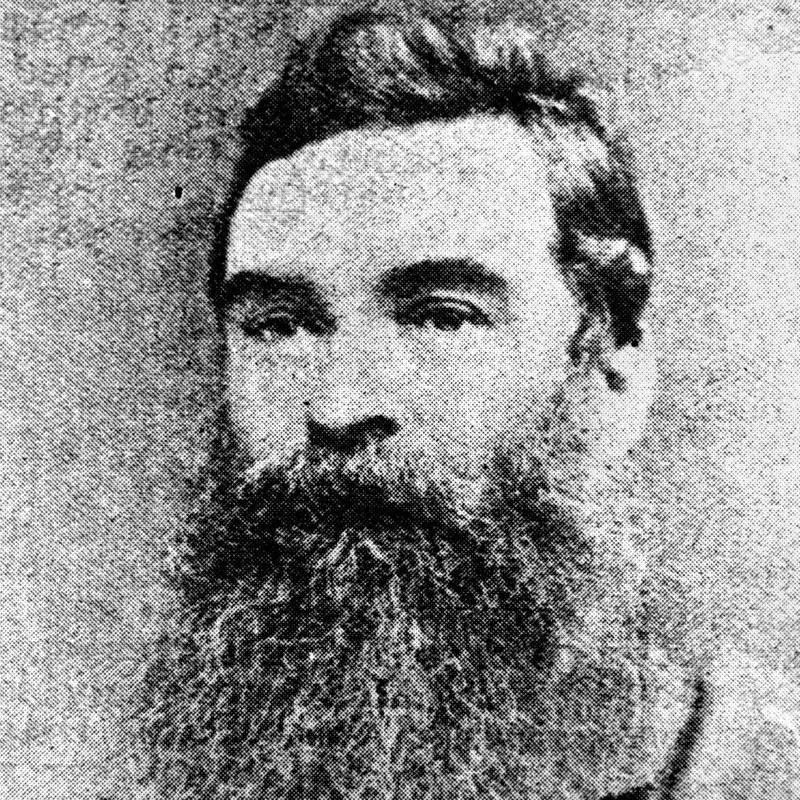
William Hann
Expedition Leader (First Find)Pastoralist and explorer whose 1872 government expedition first found gold on the Palmer River, which he named after Premier Arthur Palmer.
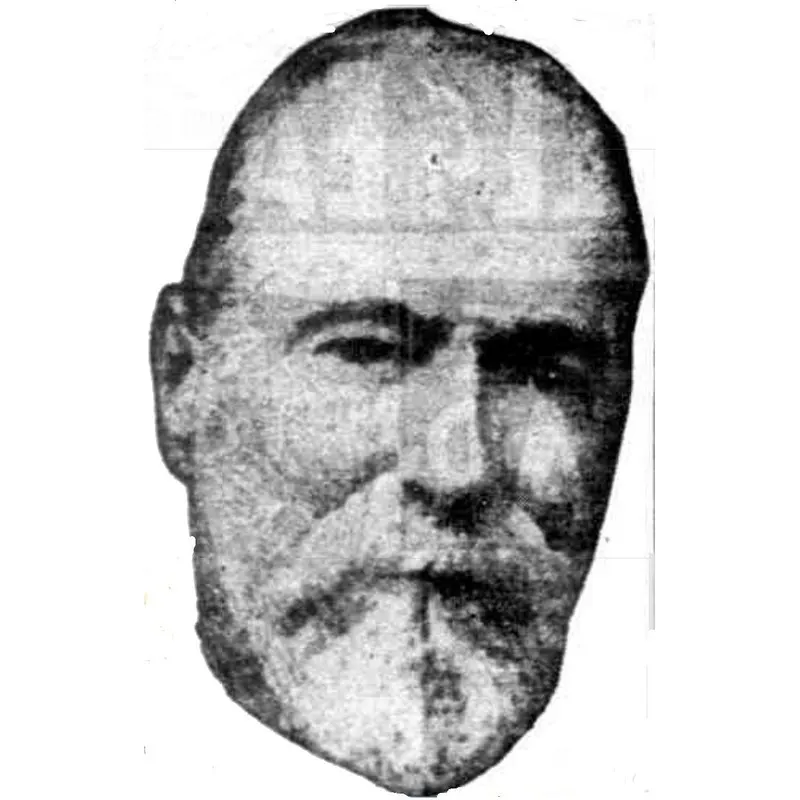
James Venture Mulligan
Discoverer of Payable GoldIrish-born prospector and explorer whose 1873 report of payable gold opened the remote Palmer River field. He went on to find the Hodgkinson goldfield and name Mount Mulligan, though he was also a leader of anti-Chinese agitation.
The Palmer Goldfield Resources Reserve, managed by Queensland Parks, protects Maytown's ruins, Chinese temple and garden sites, cemeteries and mine workings — but access is rugged 4WD country and conditions apply. Cooktown, born as the Palmer's port, interprets the rush at the Cooktown Museum. The field is remembered both as an epic of endurance and as a case study in the racial and frontier conflicts of colonial Queensland.