Gympie Gold Rush
Wide Bay, Queensland (1867–1927)
Aboriginal and Torres Strait Islander people are advised that this page may contain images and names of people who have died.
Date range
1867 – 1927
Nickname
The Town That Saved Queensland
Reported
16 October 1867
Trigger Event
James Nash finds alluvial gold near the Mary River
Original Town Name
Nashville (renamed Gympie 1868)
Traditional Owners
Kabi Kabi people
Early Rush Population
~15,000 within months
Production 1867–1927
~2.5 million oz
Map: Gympie Gold Rush (-26.19, 152.66)
In 1867 the young colony of Queensland — separated from New South Wales only eight years earlier — was close to bankruptcy. Drought, a collapse in the pastoral economy and a banking crisis had left the government short of money and the towns full of unemployed men. The government had posted a reward for a payable goldfield within reach of Brisbane.
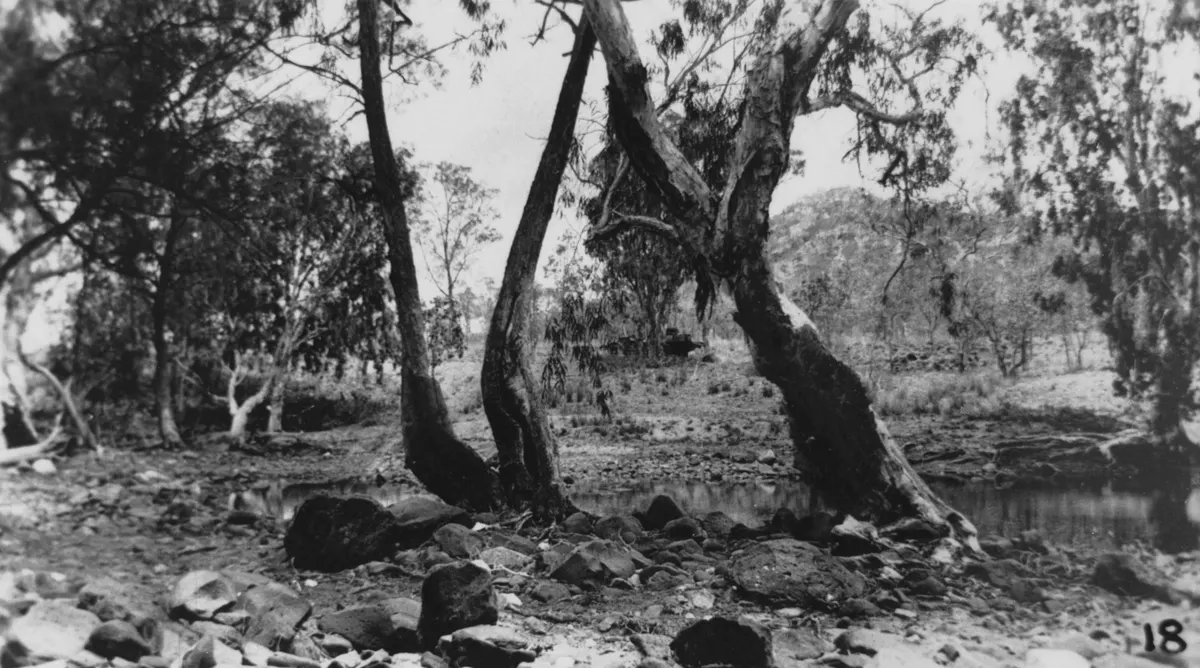
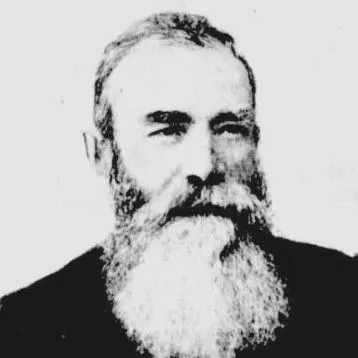
James Nash, a Wiltshire-born labourer and veteran prospector, had been working his way through the ranges of the Wide Bay district. In a gully near the Mary River — on Kabi Kabi country — he found rich alluvial gold. Nash worked it quietly for a time, sold gold in Maryborough, and on 16 October 1867 wrote to the authorities to report a new goldfield. The Brisbane papers carried the news the next day, and the rush was on.
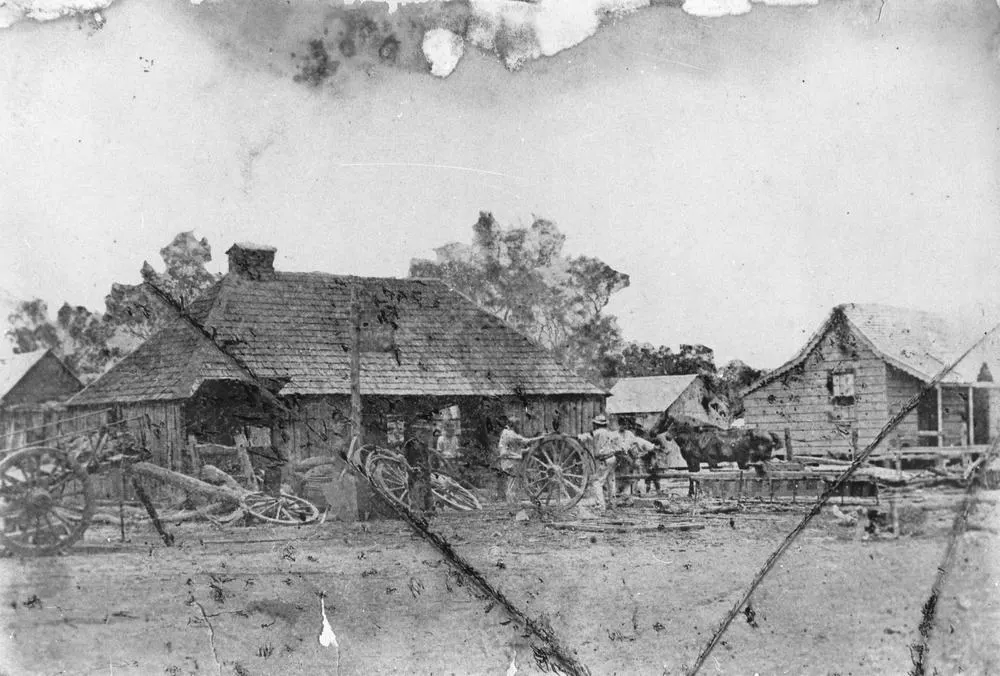
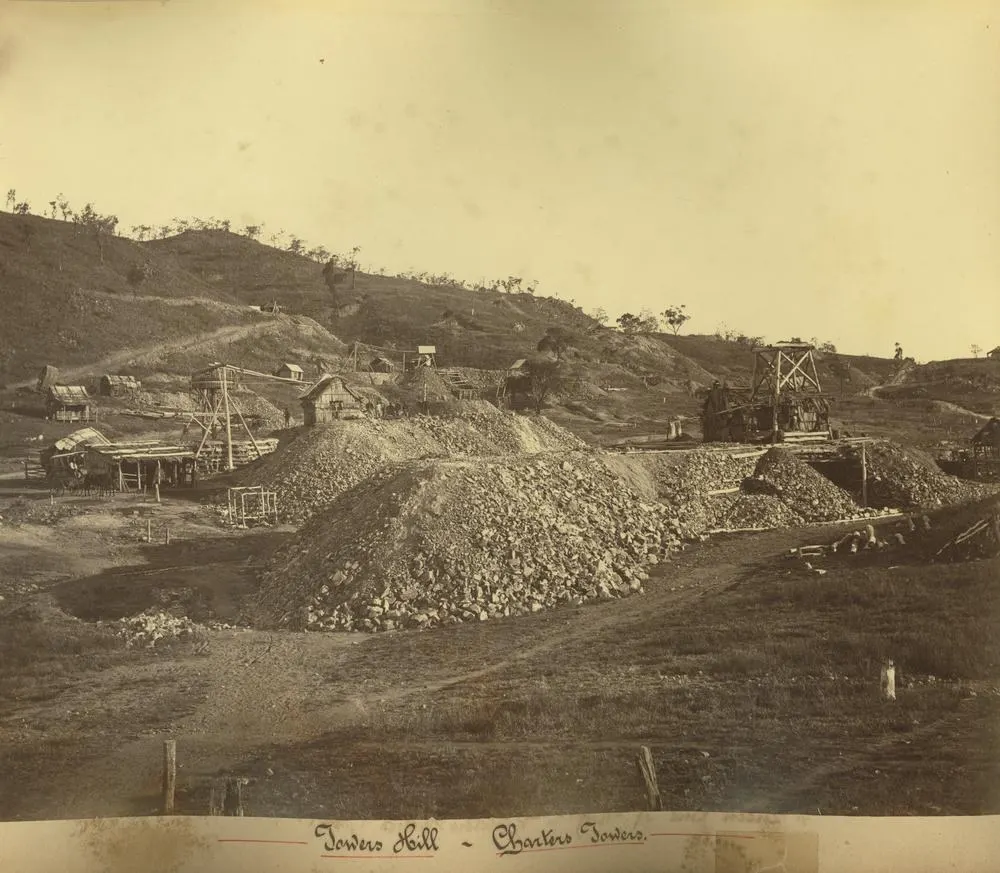
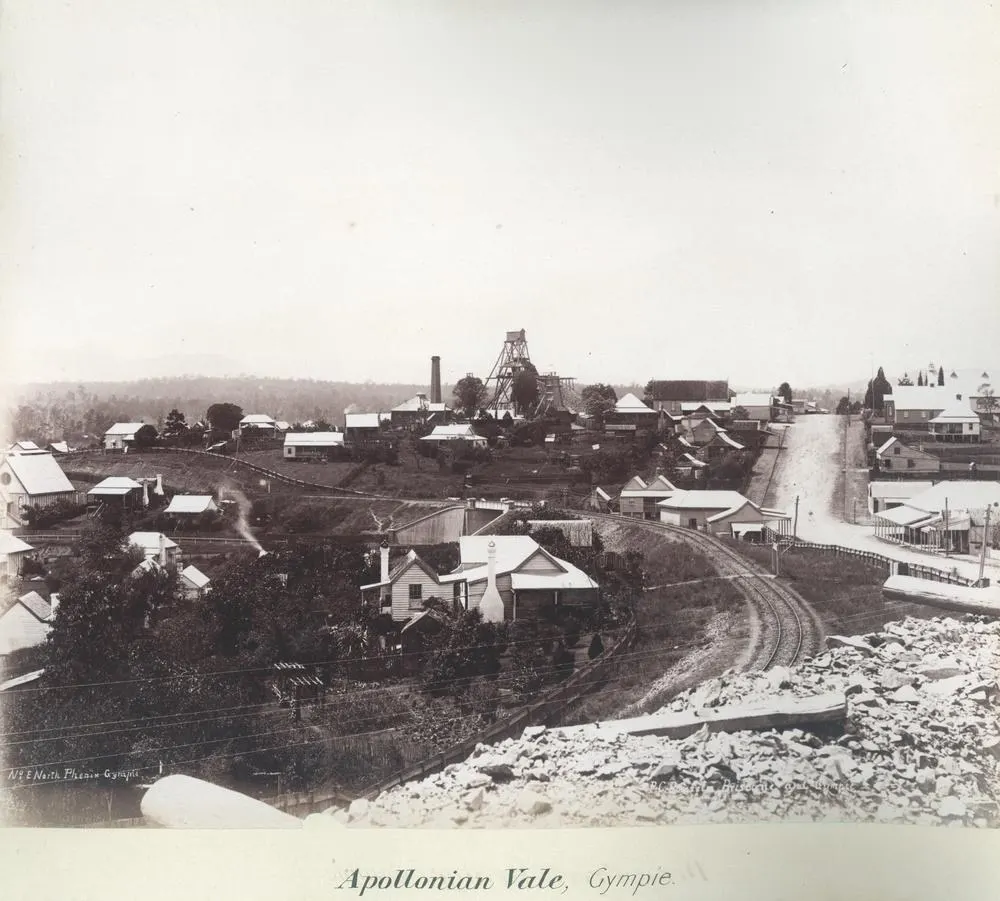
It was one of the wildest stampedes in Queensland history. Within months around 15,000 people had arrived at the diggings, first known as Nashville; in 1868 the settlement took the name Gympie, from the Kabi Kabi word for the stinging tree. Early alluvial returns were spectacular, and the field soon moved on to deep quartz reefs that kept companies working for decades.
Gold revenue steadied Queensland's finances at a critical moment, which is why Gympie still calls itself "the town that saved Queensland." Between 1867 and 1927 the field produced roughly 2.5 million ounces. Nash himself received a reward and a later government position but never grew rich; he died in Gympie in 1913, a local hero commemorated by a memorial fountain.
Timeline
Queensland becomes a separate colony
Financial crisis pushes Queensland toward bankruptcy
James Nash finds rich alluvial gold in what becomes Nash's Gully
16 October: Nash reports the field; rush begins
Nashville renamed Gympie; ~15,000 on the field at peak of alluvial rush
Shift from alluvial to deep quartz-reef mining (approx.)
James Nash dies in Gympie
Main era of reef mining ends
Notable Figures
Gympie preserves a rich stock of boom-era public buildings and holds a Gold Rush Festival every October. The Gympie Gold Mining & Historical Museum displays mining machinery and Nash memorabilia, and the James Nash memorial fountain stands in the town's memorial park. The Deep Creek fossicking area lets licensed visitors try their luck in a gold-bearing gully inside the town.