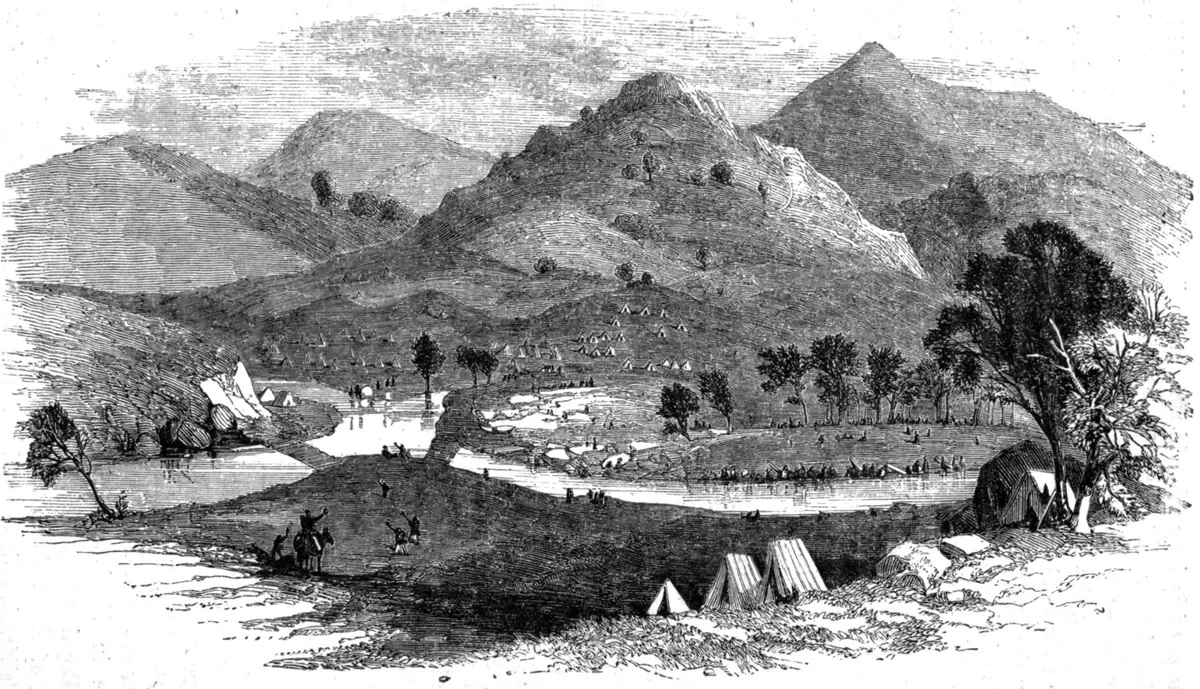
New South Wales Gold Rush
Bathurst District, New South Wales (1851–1860s)
Aboriginal and Torres Strait Islander people are advised that this page may contain images and names of people who have died.
Date range
1851 – 1862
Key Fields
Ophir, Turon, Hill End, Kiandra, Lambing Flat
Trigger Event
Payable gold at Ophir, near Bathurst
Discovery Date
February–April 1851
NSW Population
~197,000 (1851) → ~351,000 (1861)
Diggers at Ophir
~300 by mid-May 1851
Government Reward
£10,000 to Hargraves
Credited Discoverers
John Lister, William & James Tom (with Edward Hargraves)
Map: New South Wales Gold Rush (-33.17, 149.24)
Gold in New South Wales was not a secret in 1851 — it was a suppressed one. Surveyors, shepherds and the geologist-clergyman William Branwhite Clarke had all found traces in the 1840s, but a colonial government still running a convict system had little appetite for a rush. California changed the calculation. Thousands of men left Sydney for the Californian diggings after 1849, and when Edward Hammond Hargraves returned in January 1851 convinced that the country west of the Blue Mountains resembled the Sierra Nevada, the mood had shifted.
In February 1851 Hargraves rode into the Bathurst district and enlisted local help: John Lister, son of an innkeeper at Guyong, and the brothers William and James Tom, whose family farmed nearby. On 12 February, at a waterhole on Lewis Ponds Creek, Hargraves washed a pan of gravel and showed specks of gold — proof of concept, but not a payable field. Before heading back to Sydney he taught his companions to build and work a Californian-style rocking cradle.
The real breakthrough came while Hargraves was away. In early April, Lister and the Tom brothers worked the cradle near the junction of Summer Hill and Lewis Ponds creeks and recovered several ounces, including a small heart-shaped nugget — the first gold in Australia found in clearly payable quantity. William Tom's father named the place Ophir, after the biblical land of gold.
Hargraves took the samples to Sydney, publicised the find as his own, and named the field. By mid-May newspapers had spread the news and some 300 diggers were already at Ophir; within weeks thousands more were on the road, and rushes spread to the Turon River (Sofala) and the Tambaroora–Hill End country. The colonial government paid Hargraves a £10,000 reward and appointed him a Commissioner of Crown Lands.
Lister and the Toms spent decades contesting that story. In 1890 a NSW Legislative Assembly select committee concluded that they, not Hargraves, were the first discoverers of payable gold — though the official credit, and most of the money, had long since gone to Hargraves. The dispute makes Ophir one of the great "who really found it?" stories of the gold era.
The NSW rush was soon overshadowed by Victoria's, but it set the template: a licence system, gold commissioners, a mass movement of people away from the coast, and an economy that no longer depended on wool alone. Later NSW rushes — Kiandra in the Snowy Mountains, Lambing Flat near Young, and the 1870s reef boom at Hill End that produced the Holtermann Nugget — kept the colony's gold story going for decades.
Timeline
Rev. W.B. Clarke finds gold traces west of the Blue Mountains; authorities discourage publicity
News of the California Gold Rush draws men from Sydney across the Pacific
January: Edward Hargraves returns from California
12 February: Hargraves pans gold at Lewis Ponds Creek with John Lister
April: Lister and William & James Tom recover payable gold with a cradle at Ophir
May: Discovery publicised; ~300 diggers at Ophir within days
Rushes spread to the Turon River and Tambaroora–Hill End
Sydney branch of the Royal Mint opens to coin colonial gold
Kiandra rush in the Snowy Mountains
Lambing Flat anti-Chinese riots on the Burrangong goldfield
Holtermann Nugget found at Hill End
Select committee credits Lister and the Tom brothers as first discoverers of payable gold
Notable Figures
William Tom
Co-discoverer of Payable GoldSon of a local Methodist preacher who built the cradle that won Ophir's first payable gold in April 1851, including a famous heart-shaped nugget. With his brother James and John Lister, he was officially recognised as a true discoverer in 1890.
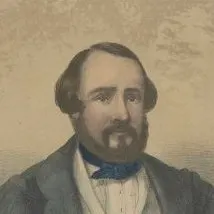
Edward Hargraves
Publicist & Reward RecipientEnglish-born adventurer who returned from the Californian diggings in 1851 and publicised the Ophir goldfield, setting off Australia's first gold rush. He received the government's £10,000 reward — a credit later challenged by his local partners.
Louis Beyers
Mine Owner (Hill End)Prussian-born miner and Holtermann's partner in the Star of Hope mine at Hill End, where the Holtermann Nugget was found in 1872. Known as "the miners' friend," he served as Hill End's mayor and sat in the NSW Legislative Assembly, and later returned to mining in Western Australia.
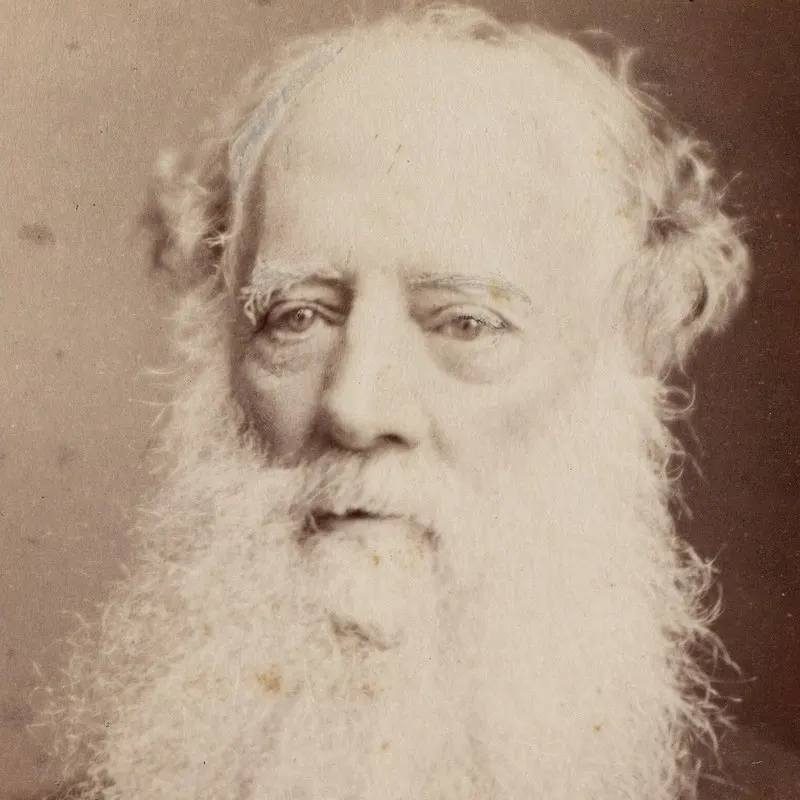
William Branwhite Clarke
Early Gold Finder (Geologist)Anglican clergyman and geologist who identified gold in NSW in the early 1840s, years before the rush. Colonial authorities discouraged publicity; he later became known as the father of Australian geology.
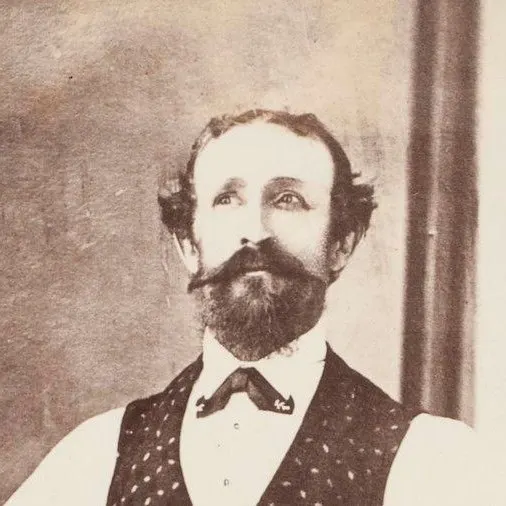
Bernhardt Holtermann
Mine Owner (Hill End)German-born miner whose Star of Hope mine at Hill End produced the Holtermann Nugget in 1872, the largest single mass of gold ever found. He spent his fortune commissioning the photographs now known as the Holtermann Collection.
James Tom
Co-discoverer of Payable GoldBathurst-district farmer's son whose local knowledge led the Ophir party to payable gold in April 1851. Recognised with his brother William and John Lister as Australia's first discoverers of payable gold.
John Lister
Co-discoverer of Payable GoldYoung Bathurst-district local who guided Hargraves and, with the Tom brothers, recovered the first payable gold at Ophir in April 1851. He spent decades fighting for recognition, finally granted by an 1890 parliamentary committee.
Ophir today is a quiet reserve near Orange with walking tracks, a discovery obelisk that names Hargraves, Lister and the Toms together, and creeks that are still panned by visitors. Bathurst, Orange and the old towns of the Central Tablelands owe much of their early growth to the rush. Hill End, now an historic site managed by NSW National Parks, preserves a near-ghost town and the setting of the famous Holtermann photographs. The Lister–Tom–Hargraves dispute lives on in local museums, which increasingly tell the story from the locals' side.
Related Gold Rushes
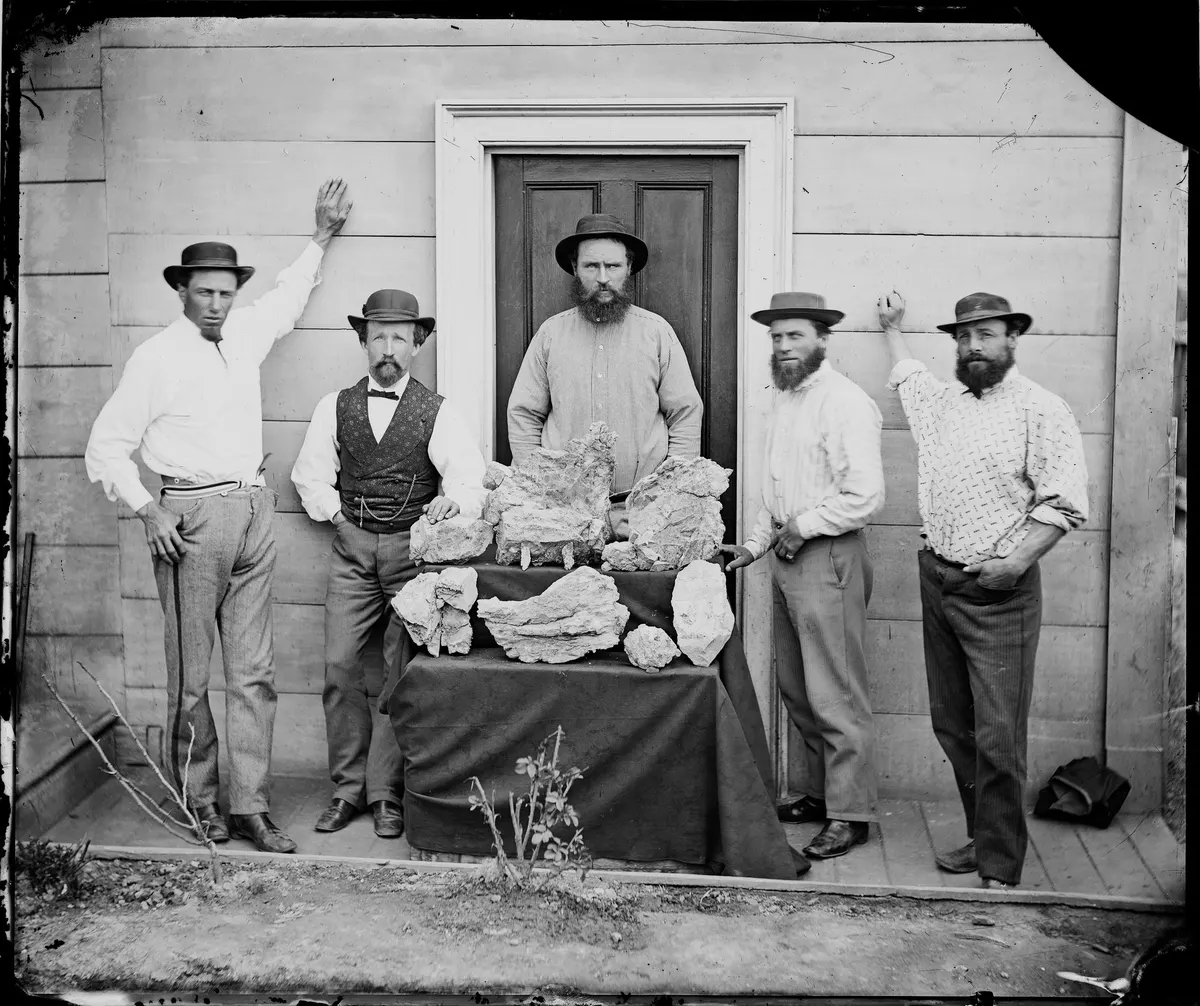
Hill End Gold Rush
Hawkins Hill, New South Wales (1871–1874)
Explore →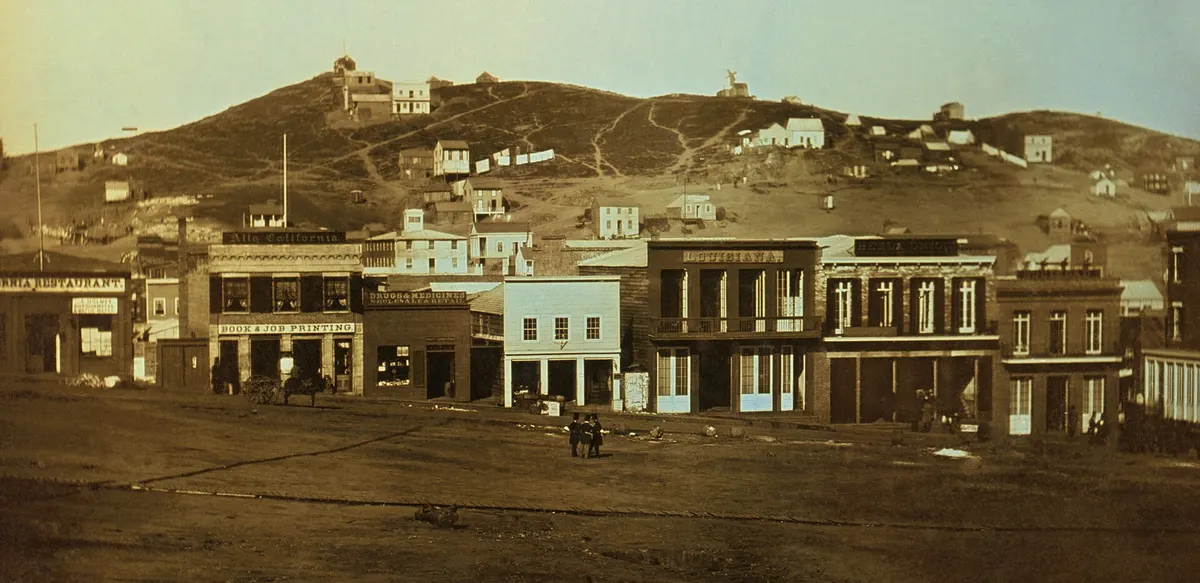
California Gold Rush
California, 1848–1855
Explore →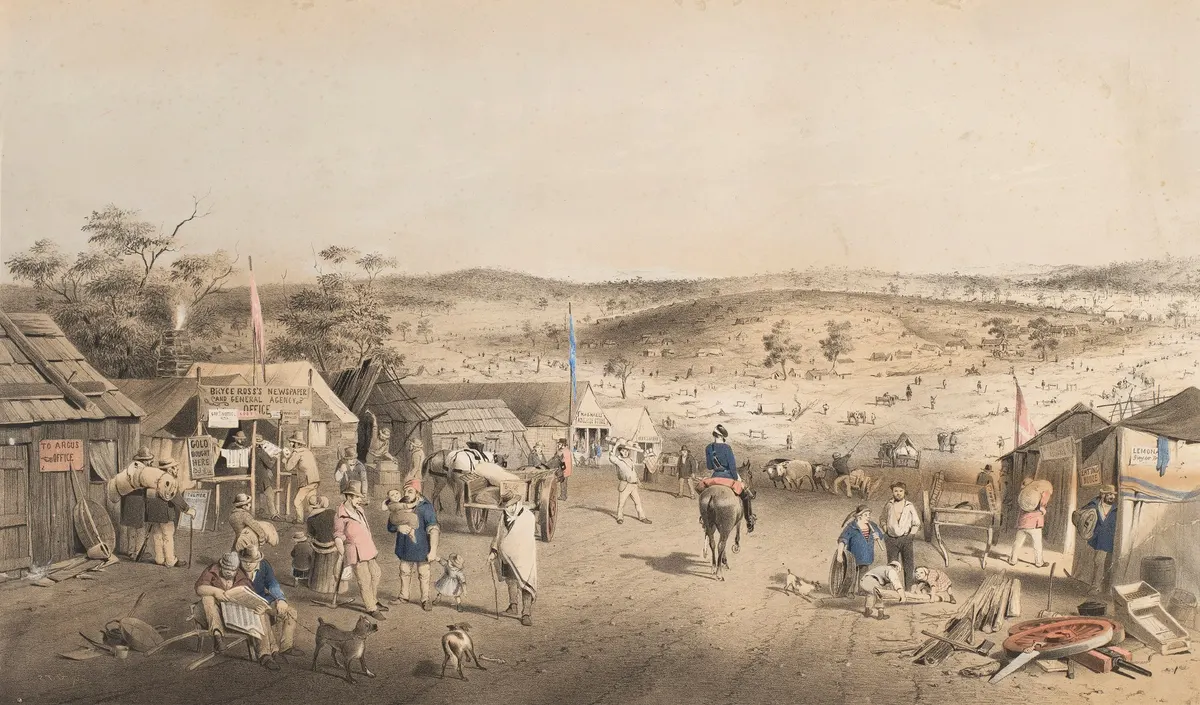
Victorian Gold Rush
Victoria, Australia (1851–1860s)
Explore →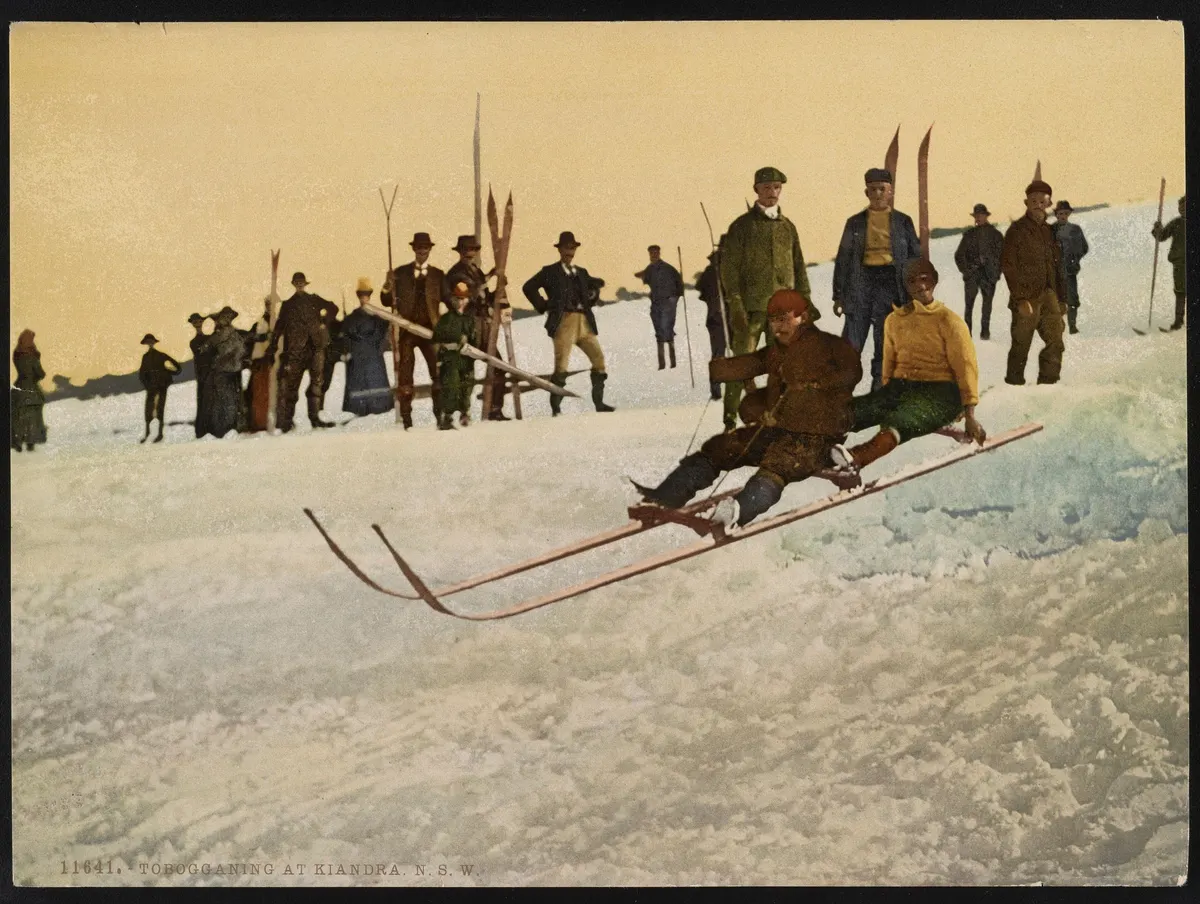
Kiandra Gold Rush
Snowy Mountains, New South Wales (1859–1861)
Explore →
Lambing Flat Gold Rush
Burrangong Goldfield, Young, New South Wales (1860–1861)
Explore →